Shodh Sari-An International Multidisciplinary Journal
Vol-05, Issue-03 (Jul-Sep 2026)
An International scholarly/ academic journal, peer-reviewed/ refereed journal, ISSN : 2959-1376
Awareness of PCOS and Intervention on Its Preventive Strategies Among Adolescent Girls
Komal1 and Sharmila P., Mary Jenefer2
1Research Scholar, 2Assistant Professor
Post Graduate Department of Nutrition and Dietetics, Bishop Cotton
Women’s Christian College Affiliated to Dr. Manmohan Singh Bengaluru City University
ORCiD: 20009-0006-6348-5852
Abstract
Polycystic Ovary Syndrome (PCOS) is associated with endocrine and metabolic disorder distressing females of reproductive age which is increasingly prevalent among adolescent girls. Its key features are recognized by irregular menstrual cycles, hormonal imbalance, ovulation dysfunction and insulin resistance. PCOS is associated with symptoms such as acne, hirsutism, weight gain, male pattern baldness and infertility. It is also interrelated to long-term complications like type 2 diabetes, cardiometabolic risk, sleep apnoea, and endometrial cancer. Despite its high prevalence, especially in urban Indian populations due to sedentary lifestyle, high intake of processed and packed food, awareness about PCOS among adolescents remains uncommon, making early education intervention a major step in prevention and management of PCOS. This study adopted a pre-experimental one- group pretest-post-test interventional design and it was conducted in Agragami Vidya Kendra School, Bengaluru, involving a total of 100 adolescent girls aged between 12–16 years as participants for the study. The methodology encapsulated a pre-session survey to assess the knowledge and awareness about PCOS using a questionnaire followed by a one-day Nutritional Education Program that covered the definition of PCOS, its symptoms, causes, complications, diagnostic tests using Rotterdam Criteria, and preventive lifestyle practices. After 4 weeks a post session questionnaire was distributed to assess the impact of NEP intervention. Data were further analysed using paired t-test to evaluate the statistical significance of knowledge gain. The Nutritional Education Program demonstrated a notable improvement among adolescent girls about PCOS and its preventive strategies. Responses in identifying its causes, symptoms, diagnostic criteria and associated metabolic risks rose from below 60% to closely 98% post-intervention. Importance and awareness about mindful eating, healthy snacking, improved sleep pattern, and physical activity was also positively ingrained in the participants and it reflected as 100 % in their post- session responses. Paired t-test showed the improvement was statistically significant( p < 0.001).The findings of this study suggests that the Nutrition Education Program demonstrated a remarkable improvement about PCOS and its management strategies from as low as 9% to 100% across key aspects . It is definite that an early education program sooner in adolescence proved vital in promoting reproductive health and preventive metabolic complications.
Keywords: PCOS, Nutrition Education Program, Preventive strategies, Adolescence.
About Authors
Komal Kumari is a Research Scholar and Clinical Oncology Dietitian. She has built a strong academic foundation in Nutrition and Dietetics through her Postgraduate studies at Bangalore City University and her Undergraduate education in Composite Home Science at Mount Carmel College. Her academic training equipped her with extensive knowledge in clinical nutrition, therapeutic dietetics, public health nutrition, and evidence-based practice, while fostering a keen interest in preventive healthcare, women’s health, and lifestyle-related disorders.
Dr. Mary Jenefer Sharmila, P, is an accomplished academician and researcher with expertise in functional foods, nutritional biochemistry, phytochemical analysis, and clinical nutrition research. With several peer-reviewed publications in the areas of functional food supplementation, cardiovascular risk assessment, antioxidant profiling, and bioactive compound analysis, Dr. Sharmila provided valuable mentorship throughout Komal’s research journey. Her guidance ensured methodological rigor, ethical compliance, robust data analysis, and scientific accuracy, significantly strengthening the quality, credibility, and scholarly impact of both the dissertation and subsequent research publications.
Impact Statement
This study highlights the significant impact of a structured Nutrition Education Program (NEP) in improving awareness of Polycystic Ovary Syndrome (PCOS) among adolescent girls. With baseline knowledge levels as low as 9–28%, the intervention led to a statistically significant improvement (p < 0.001), raising awareness across key domains, including symptoms, causes, diagnostic criteria, metabolic risks, diet, physical activity, and sleep hygiene to nearly 98–100% post intervention. Academically, this research contributes to the limited body of evidence evaluating structured educational interventions for PCOS prevention among Indian adolescents. It highlights the importance of early preventive education and provides a foundation for future longitudinal and multicentric studies examining behavioural changes, clinical outcomes, and the long-term effectiveness of school-based interventions. The findings of this study demonstrate that a school-based nutrition education intervention can significantly improve knowledge regarding PCOS, including its definition, causes, symptoms, diagnostic criteria, associated metabolic complications, and lifestyle-based prevention strategies. The statistically significant improvement observed in post-intervention knowledge scores highlights the effectiveness of early health education in empowering adolescents with scientifically accurate information that can influence lifelong health behaviours. This research addresses an important gap in adolescent-focused PCOS education in urban India and supports the integration of structured nutrition and menstrual health education into school curricula, reinforcing women’s health as a cornerstone of long-term public health advancement. The impact of this study extends beyond increasing knowledge. By promoting awareness of healthy dietary practices, regular physical activity, adequate sleep, maintenance of a healthy body weight, and the avoidance of unhealthy eating habits, the intervention encourages the adoption of preventive lifestyle behaviours that may reduce the future risk of PCOS and its associated complications. Early lifestyle modification during adolescence has the potential to improve reproductive health, reduce insulin resistance, prevent obesity, and decrease the long\ term burden of metabolic syndrome, type 2 diabetes mellitus, cardiovascular disease, infertility, and other PCOS-related complications.
Cite This Article
APA Style (7th Ed.): Komal, & Sharmila, P. M. J. (2026). Awareness of PCOS and intervention on its preventive strategies among adolescent girls. Shodh Sari-An International Multidisciplinary Journal, 5(3), 464–483. https://doi.org/10.59231/SARI7967
Chicago Style (17th Ed.): Komal, and Mary Jenefer Sharmila P. “Awareness of PCOS and Intervention on Its Preventive Strategies Among Adolescent Girls.” Shodh Sari-An International Multidisciplinary Journal 5, no. 3 (2026): 464–483. https://doi.org/10.59231/SARI7967.
MLA Style (9th Ed.): Komal, and Mary Jenefer Sharmila P. “Awareness of PCOS and Intervention on Its Preventive Strategies Among Adolescent Girls.” Shodh Sari-An International Multidisciplinary Journal, vol. 5, no. 3, 2026, pp. 464–483. https://doi.org/10.59231/SARI7967.
Page Numbers: 464–483
DOI: https://doi.org/10.59231/SARI7967
Subject: Adolescent Health, Polycystic Ovary Syndrome (PCOS), Nutrition Education, Preventive Health Strategies, Endocrinology & Metabolism
Received: May 6, 2026
Accepted: Jun 29, 2026
Published: Aug 5, 2026
Thematic Classification: Nutrition & Dietetics, Adolescent Reproductive Health, Public Health & Preventive Medicine
Introduction
Polycystic Ovary Syndrome (PCOS) is a heterogeneous endocrine and metabolic disorder characterized by hyperandrogenism, ovulatory dysfunction, and polycystic ovarian morphology, and is recognized as one of the most common causes of menstrual irregularities, infertility and metabolic disturbances among women of reproductive age. According to the Androgen Excess and PCOS society, androgen excess is the hallmark feature of the syndrome, accompanied by ovarian dysfunction and/or polycystic ovarian morphology [1]. Expanding on this concept, PCOS is described as a chronic inflammatory and metabolic condition driven by insulin resistance, oxidative stress, and alterations in gut microbiota, all of which are highly responsive to lifestyle modification [2]. Indian studies report a significant prevalence of PCOS in both rural and urban populations, indicating that the disorder is widespread across socioeconomic and geographic boundaries [3]. UNICEF India further clarified that although the terms PCOD and PCOS are commonly used interchangeably, PCOS represents the broader endocrine-metabolic syndrome with potentially serious long-term health consequences [4]. Sleep deprivation and circadian disruption can aggravate insulin resistance, cortisol secretion, appetite dysregulation and androgen excess [5]. Frequent intake of junk foods rich in refined carbohydrates, trans fats, and added sugars contributes to obesity, chronic inflammation, and worsening hormonal imbalance [6]. PCOS management should focus not only on restoring menstrual regularity but also on preventing long-term complications such as Type 2 Diabetes, Metabolic Syndrome, Cardiovascular disease, infertility and endometrial hyperplasia [7].
According to the World Health Organization and subsequent refinement by the Rotterdam Consensus, Polycystic Ovary Syndrome encompasses a spectrum of phenotypes ranging from isolated ovulatory dysfunction to the classic presentation of hyperandrogenism, chronic anovulation, and polycystic ovarian morphology. Women expressing the full phenotypic triad exhibit the most pronounced endocrine and metabolic abnormalities, including higher insulin resistance, elevated androgen concentrations, and greater cardiometabolic risk compared with milder phenotypes [8]. Many women in India are aware of the diagnosis but have limited understanding of how dietary modification, physical activity, and weight management can significantly improve symptoms, highlighting an important gap between diagnosis and self-management [9]. Adolescence represents a critical developmental window during which nutrition, body composition, emotional wellbeing, and health behaviours shape future reproductive and metabolic health [10]. Growing burden of childhood and adolescent obesity in developing countries is driven by excess energy intake, reduced physical activity, inadequate sleep, and increased sedentary behaviour, all of which predispose to insulin resistance and early onset PCOS [11]. High prevalence of Metabolic Syndrome in women with PCOS supports routine assessment of waist circumference, blood pressure, fasting glucose, and lipid profile as part of standard care [12]. Dietary intervention is a highly effective therapeutic strategy, such that calorie-controlled, low glycaemic index, Mediterranean-style and anti-inflammatory dietary patterns improve insulin sensitivity, reduce hyperandrogenism, promote menstrual regularity, and support sustainable weight reduction [13]. Together, these findings underscore that PCOS begins as a continuum of metabolic dysfunction often rooted in adolescence, and that early recognition, patient education, comprehensive metabolic screening, and consistent lifestyle modification are essential to prevent infertility and long-term complications such as Type 2 Diabetes, cardiovascular disease, and endometrial pathology [14].
Awareness of Polycystic Ovary Syndrome is essential because it is one of the most common endocrine and metabolic disorders affecting women of reproductive age, yet many women remain undiagnosed despite experiencing symptoms such as irregular menstrual cycles, acne, hirsutism, weight gain, and infertility. According to the Rotterdam Consensus, PCOS is diagnosed when any two of the following three criteria are present, after excluding other causes: oligo- or anovulation, clinical or biochemical hyperandrogenism, and polycystic ovarian morphology on ultrasound. Insulin resistance is the central pathophysiological abnormality in PCOS and is often exacerbated by obesity, particularly visceral adiposity [15, 16]. Higher visceral adiposity index is strongly associated with increased hirsutism and cardiometabolic risk factors, while obesity contributes significantly to anovulation and infertility [17, 18]. Hyperinsulinemia stimulates ovarian androgen production and reduces sex hormone-binding globulin, thereby increasing free testosterone levels and worsening acne, hirsutism, and menstrual disturbances [14]. In the Indian context, genetic susceptibility, urbanization, sedentary behaviour, refined carbohydrate consumption, stress, and sleep disturbances are the important contributors to the rising prevalence of PCOS [15, 19]. Nutritional management remains the cornerstone of treatment, recommending calorie-controlled, low-glycaemic, Mediterranean- style dietary patterns rich in vegetables, fruits, whole grains, legumes, nuts, seeds and omega-3 fatty acids to improve insulin sensitivity and reduce chronic inflammation [20, 21]. A pulse- based diet combined with exercise can significantly improve waist circumference, blood pressure, lipid profile, and insulin resistance, while a ketogenic diet may produce short-term reductions in body weight, visceral fat, fasting insulin and testosterone in selected overweight women [22, 23]. Aerobic and resistance exercise improves reproductive and metabolic outcomes, while resistance training enhances insulin sensitivity even in the absence of substantial weight loss [24, 25]. Importantly, even a modest 5-10% reduction in body weight can restore ovulation, improve fertility and reduce the long-term risk of Type 2 Diabetes, Metabolic Syndrome, and Non-Alcoholic Fatty Liver Disease. Thus, PCOS should be recognized not merely as a reproductive disorder but as a lifelong metabolic condition that requires early detection, personalized nutrition therapy, regular physical activity, and sustained lifestyle modification to optimize endocrine, reproductive and cardiometabolic health. Despite growing evidence, several research gaps remain, including limited prospective studies exploring the influence of adolescent lifestyle factors on future PCOS risk, insufficient data on culturally tailored dietary interventions for Indian women, inadequate understanding of the interactions between sleep quality and endocrine function, underexplored roles of gut microbiota-targeted therapies, and a lack of long-term implementation studies evaluating adherence to lifestyle interventions. These gaps underscore the need for integrative and context- specific research to optimize prevention and management strategies for PCOS across the life course.
Objectives
Primary Objective:
To evaluate the effectiveness of a structured Nutrition Education Program (NEP) in improving awareness and knowledge regarding Polycystic Ovary Syndrome (PCOS) among adolescent girls.
Secondary Objectives:
To assess baseline knowledge of PCOS (definition, causes, symptoms, diagnostic criteria, and complications) among adolescent girls.
To educate participants on the role of healthy lifestyle practices, including balanced nutrition, regular physical activity, sleep hygiene, and the avoidance of junk food, in managing PCOS and reducing long-term metabolic risks.
To compare knowledge levels before and after the intervention to determine the impact of the Nutrition Education Program.
Research Hypothesis
Null Hypothesis
There is no significant difference in the knowledge and awareness scores regarding PCOS and its preventive strategies among adolescent girls before and after the Nutrition Education Program intervention.
Alternative Hypothesis
There is a statistically significant improvement in the knowledge and awareness scores regarding PCOS and its preventive strategies among adolescent girls following the implementation of the Nutrition Education Program.
Review of literature
Awareness of PCOS among Women
Polycystic Ovary Syndrome is a complex endocrine disorder that affects multiple physiological systems beyond reproduction. Despite its high prevalence, awareness regarding the disorder remains inadequate among women, particularly adolescents. Limited knowledge regarding the causes, symptoms, complications, diagnosis, and increased risk of metabolic and reproductive complications. Awareness is therefore considered one of the most important determinants of early identification and successful long-term management of PCOS.
The international diagnostic criteria emphasized that PCOS should not merely be viewed as a reproductive disorder but rather as a multisystem endocrine and metabolic condition requiring early recognition. The Androgen Excess and PCOS Society recommended that diagnosis should consider hyperandrogenism along with ovarian dysfunction while simultaneously evaluating metabolic abnormalities. These recommendations highlighted the importance of educating women regarding the broad clinical manifestations of PCCOS rather than limiting awareness to menstrual irregularities along [1].
Awareness among adolescents among adolescents is particularly important because puberty represents the period during which the earliest manifestations of PCOS frequently become evident. However, physiological changes occurring during adolescence often resembles the symptoms of PCOS, making recognition difficult. Adolescence represents a critical developmental stage where health behaviors established during this period significantly influence adult health outcomes. Consequently, reproductive health education during adolescence can substantially improve awareness, encourage early medical consultation and reduce the future burden of chronic disease associated with PCOS [10].
Studies conducted in India consistently demonstrate insufficient awareness regarding PCOS among young women. An exploratory study among females diagnosed with PCOS and observed that although participants had received a diagnosis many possessed limited knowledge regarding the role of lifestyle modification in disease management. Awareness regarding balanced nutrition, regular physical activity, weight control, and long-term metabolic risks was considerably lower than expected. Many participants primarily associated PCOS with infertility while overlooking it’s metabolic and cardiovascular consequences [9].
Similarly, educational resources developed by UNICEF India (2022) highlighted widespread misconceptions surrounding PCOS and Polycystic Ovarian Disease (PCOD). Many adolescents and their families incorrectly consider the two conditions synonymous, leading to confusion regarding diagnosis and treatment. The report emphasized that improved reproductive health education within schools could significantly enhance awareness, reduce stigma and encourage timely medical consultation.
Awareness regarding the complications associated with PCOS also remains inadequate. Women frequently recognize menstrual irregularities but remain unaware of associated risks such as insulin resistance, obesity, dyslipidemia, metabolic syndrome, type 2 diabetes mellitus, infertility cardiovascular disease, endometrial hyperplasia, anxiety and depression. Women with PCOS exhibit a significantly higher prevalence of metabolic syndrome compared with healthy controls. The authors recommended routine metabolic screening for all women diagnosed with PCOS, emphasizing that greater awareness among patients is essential for preventing future cardiometabolic complications [12].
In addition to reproductive consequences, psychological wellbeing represents an important yet frequently neglected aspect of PCOS awareness. Many women experience reduced self-esteem, body image dissatisfaction, anxiety, depression, and social isolation due to obesity, acne, hirsutism, and infertility associated with the syndrome. Inadequate awareness often delays psychological support and counselling, thereby reducing overall quality of life.
Lifestyle awareness forms another crucial component of disease prevention. Relationship between nutrition, lifestyle, and PCOS determines that many women underestimate the influence of dietary quality and physical activity on disease progression. The authors emphasized that appropriate nutritional counselling combined with behavioral modification can improve insulin sensitivity, reduce inflammation, regulate menstrual cycles, promote weight reduction and improve reproductive outcomes [21].
Similarly, Dietary interventions remain among the most promising non-pharmacological approaches for managing PCOS. The review highlighted that increased consumption of whole grains, fruits, vegetables, legumes, lean proteins, and healthy fats, together with restriction of refined carbohydrates and processed foods, significantly improves metabolic health. However, successful implementation depends largely upon awareness and nutritional education [13].
Global Prevalence of PCOS among Adolescent Girls
Polycystic Ovary Syndrome (PCOS) is recognized as one of the most prevalent endocrine disorders among women of reproductive age, affecting adolescents across both developed and developing countries. The prevalence varies considerably depending on the diagnostic criteria used, ethnicity, genetic predisposition, and lifestyle factors. The commonly used diagnostic criteria include the Rotterdam Criteria, the NIH Criteria, and the Androgen Excess and PCOS Society (AE- PCOS) Criteria, each producing different prevalence estimates [1].
Globally, the prevalence of PCOS has been reported to range from 6% to 20%, with increasing incidence among adolescents due to rising obesity, sedentary lifestyles, unhealthy dietary habits, and insulin resistance [15]. Adolescence is considered a critical period because hormonal changes during puberty may overlap with PCOS symptoms, making diagnosis challenging. Nevertheless, early identification is essential to prevent long-term reproductive and metabolic complication [10]. In India, PCOS has emerged as a significant public health concern. Higher prevalence of PCOS in urban populations compared to rural populations, suggests that urbanization, dietary transition, and physical inactivity contribute substantially to disease occurrence [3]. Similarly, obesity, lack of exercise, stress and unhealthy eating habits were common predisposing factors among Indian women with PCOS. The increasing prevalence among adolescents emphasizes the need for early screening and health education in schools [19]. The clinical presentation of PCOS also differs according to phenotype. Women diagnosed under the Rotterdam criteria exhibit varying endocrine and metabolic characteristics, indicating that prevalence estimates depend greatly on the diagnostic definition employed. These findings support the need for standardized diagnostic approaches when comparing epidemiological studies [8].
Overall, the literature indicates that PCOS prevalence is increasing globally and in India, particularly among adolescents exposed to sedentary lifestyles and poor dietary practices. This growing burden highlights the importance of awareness programmes and preventive interventions targeting school-going girls.
Risk Factors of PCOS
PCOS is a multifactorial disorder resulting from complex interactions between genetic susceptibility, hormonal imbalance, remains unclear, several modifiable and non-modifiable risk factors have been consistently associated with its development.
Genetic predisposition plays an important role in PCOS pathogenesis. Women with a positive family history are at increased risk due to inherited abnormalities affecting insulin action, androgen synthesis, and Ovarian function. These genetic factors interact with environmental influences to trigger disease expression [14][15].
Obesity is considered one of the strongest modifiable risk factors for PCOS. Excess adiposity contributes to insulin resistance, hyperinsulinemia, and increased androgen production, thereby aggravating menstrual irregularities and Ovulatory dysfunction. Childhood and adolescent obesity have increased globally, increasing the future burden of PCOS. Visceral obesity is particularly associated with greater cardiometabolic risk among women with PCOS [11][16][17]. Dietary habits significantly influence PCOS development. Frequent consumption of energy- dense foods, refined carbohydrates, sugar- sweetened beverages, and processed foods promotes, obesity and insulin resistance. Regular intake of junk food contributes contributes to metabolic disturbances that predispose women to PCOS. Conversely, healthy dietary practices improve metabolic health and reduce disease progression [13]. Physical inactivity further increases the risk of obesity and impaired insulin sensitivity. Studies have shown that sedentary behavior contributes to hormonal imbalance and worsens metabolic abnormalities associated with PCOS [21]. Sleep disturbances also play a significant role. poor sleep quality disrupts endocrine regulation, increases insulin resistance, and may aggravate PCOS symptoms [5]. Women with PCOS are also at increased risk of metabolic syndrome, dyslipidemia, type 2 diabetes mellitus, infertility and cardiovascular disease [12].These findings underscore the importance of addressing modifiable lifestyle factor during adolescence to reduce future disease burden.
Preventive Management for PCOS
Lifestyle modification remains the cornerstone of PCOS prevention and management. International guidelines consistently recommend balanced nutrition, regular physical activity, weight management, adequate sleep, and behavioral counselling as first-line interventions, particularly for a adolescents and young women [16].
Nutritional management aims to improve insulin sensitivity, reduce inflammation, promote weight control and restore hormonal balance. Diets rich in whole grains, fruits vegetables, legumes, lean proteins, and healthy fats, while limiting refined carbohydrates and processed foods, improve both metabolic and reproductive outcomes. Similarly, dietary modification is among the most effective non-pharmacological approaches for PCOS prevention and treatment [2]. Weight reduction through dietary changes and regular physical activity has been shown to improve ovulation, menstrual regularity, insulin sensitivity and fertility. Even modest weight loss significantly reduces metabolic complications among overweight women with PCOS. Randomized controlled trials have also demonstrated the beneficial effects of Pulse-based diets in improving metabolic parameters [22].
Exercise is another essential component of PCOS prevention. A systematic review reports that aerobic exercise, resistance training, and combined exercise programmes significantly improve body composition, insulin sensitivity, and reproductive function [24]. Earlier evidence also demonstrated improvements in insulin sensitivity following structured exercise programmes among women [25].
Adequate sleep and stress management are increasingly recognized as important preventive strategies. Maintaining proper sleep hygiene helps regulate endocrine function and metabolic homeostasis. Furthermore, improving awareness regarding healthy lifestyle practices during adolescence encourages early behavioral changes and reduces future complications. [2]
Materials and Methods
Eligibility Criteria
This study was intended to measure the impact of a Nutrition Education (NEP) on awareness of Polycystic Ovary Syndrome among adolescent girls: therefore, a focused and well-defined population was considered. Adolescent girls aged 12-16 years studying in an urban, CBSE- affiliated school were selected based on convenience sampling method. This developmental window was chosen because adolescence is a transformative phase marked by significant bodily, hormonal, psychological, and physical changes, which coincides with the early manifestation of conditions such as PCOS. Adolescence also represented a pivotal stage during which education on menstrual health contributed to timely recognition and prevention of the disorder. Urban adolescents were selected as study participants because they were more likely to be exposed to lifestyle- related risk factors, including higher stress levels, sedentary behaviour, and unhealthy dietary patterns.
Search Strategy
The study was conducted at Agragami Vidya Kendra School, located in Yelahanka New Town, Bengaluru, Karnataka. The study employed purposive selection of the school followed by convenience sampling of eligible students. The school was selected purposively because it fulfilled the predefined inclusion criteria and provided access to the target population for the intervention. Subsequently, a convenience sampling technique was used to recruit 100 adolescent girls who met the eligibility criteria and were available and willing to participate in the study. In accordance with the ethical guidelines of the Indian Council of Medical Research (2017), approval was obtained from the school authorities to ensure the protection of minor participate. Written informed consent was obtained from both the school administration and the parents or legal guardians of the participants before enrolment. For the review of literature, electronic databases including PubMed and Google Scholar were searched to identify relevant scientific evidence supporting the study.
Study Design/ Selection
This study adopted a quasi-experimental pre-test/post-test design involving a single group of participants without a control arm. The design was selected to evaluate the effectiveness of the Nutrition Education Program regarding awareness and knowledge of PCOS among adolescent girls. The study was conducted over a period of three months and aimed to educate, assess, and evaluate PCOS awareness through the implementation of the NEP. The study was carried out in four phases: tool development, sample selection, data collection, and intervention. Ethical approval included consent from the participants’ guardians and formal permission from the school authorities.
SL.NO | Inclusion Criteria | Exclusion Criteria |
Urban Schools | Rural Schools | |
Adolescent girls (12-16 years) | Below 12 years and above 16years |
Data Collection Tool
A study-specific structured questionnaire was developed to collect data before and after the NEP intervention. The questionnaire included items related to demographic characteristics, menstrual history, and knowledge of PCOS, including its definition, causes, symptoms, and diagnostic methods. It also included questions on dietary habits using a food frequency questionnaire, physical activity, and sleep patterns. Anthropometric measurements were obtained using standardized instruments, including a weighing scale (precision ± 0.5kg) and a stadiometer (precision ± 0.1 cm), and body mass index (BMI) was interpreted according to the Centers for Disease Control and Prevention (CDC) growth chart percentiles.
The Nutrition Education Program was delivered through a PowerPoint presentation consisting of 28 slides that covered essential information on PCOS and its preventive strategies. Educational videos demonstrating healthy snack options and yoga asanas to support menstrual health were also shown. At the end of the session, participants received a take-home pamphlet summarizing the key concepts related to PCOS and its prevention. Post-intervention data were collected four weeks after the educational session and recorded systematically in Microsoft Excel.
Statistical Analysis
The quasi-experimental study design was used to assess the impact and outcome of the Nutrition Education Program on PCOS awareness among adolescent girls. Statistical analysis involved systemic data collection, organization and interpretation. A paired t-test was used to compare pre- and post-intervention scores and a p-value of ≤ 0.05 was considered statistically significant, indicating the effectiveness of the intervention. In addition, cumulative percentage analysis was performed to evaluate the response pattern of participants by presenting category-wise percentages in sequential order, totalling 100%.
Results
The survey data provided valuable insights into the knowledge and perceptions of the selected adolescent girls regarding PCOS and related lifestyle factors. Based on cumulative percentage analysis, awareness of the full form of PCOS increased from 58% before the intervention to 100% after the educational session. Knowledge of the symptoms of PCOS improved markedly from 28% to 100%. Substantial gains were also observed in participants’ understanding of hormonal triggers, diagnostic tests, associated health complications, and the Rotterdam Consensus for early identification of PCOS, with awareness increasing from less than 15% at baseline to nearly 100% after the intervention. Awareness regarding prevention strategies improved from 9% before the session to 100% after the session.
Knowledge regarding the benefits of regular physical activity increased from 75% to 100% while understanding of the importance of sleep and its role in hormonal balance improved from 53% before the NEP to 100% after the intervention. Initial awareness regarding balanced diets and the harmful effects of junk food consumption was limited, however, following the educational intervention, awareness increased to 98%. Evaluation of participant feedback revealed that 98% of the adolescent girls considered the Nutrition Education Program valuable and reported that it improved their understanding of PCOS prevention. These findings suggested that the intervention has a substantial positive impact on the participants.
Furthermore, the paired t-test yielded a statistically significant result (p < 0.001), clearly demonstrating the effectiveness of the nutrition Education Program. The analysis indicated significant positive changes in participants’ responses, highlighting the success of the program in enhancing awareness of PCOS and reinforcing the importance of healthy lifestyle practices. The impact of the Nutrition Education Program on PCOS awareness and lifestyle- related factors was presented in figure 1, figure 2 and Table 1
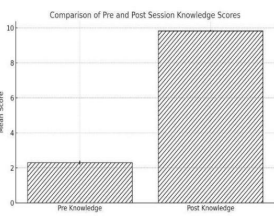
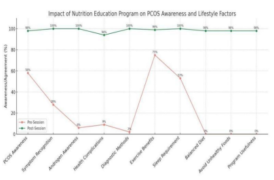
Table 1: Paired t test comparison table for Pre and Post Session.
Variable | Mean | Number | Standard Deviation | Standard Error Mean | t | p |
Pre knowledge | 2.31 | 100 | 1.143 | 0.114 | 61.814 | < 0.001 |
Post knowledge | 9.84 | 100 | 0.41972 | 0.04197 |
t = Paired t-test statistic, p = Probability value.
Discussion
The present study demonstrates a structured Nutrition Education Program (NEP) was effective in significantly improving awareness and knowledge regarding Polycystic Ovary Syndrome (PCOS) among adolescent girls aged 12-16 years. Following the intervention, participants showed marked improved in their understanding of the definition, symptoms, causes, complications, diagnosis and preventive measure of PCOS, along with increased awareness of the importance of balanced nutrition, regular physical activity, adequate sleep, and limiting junk food consumption. The statistically significant paired t-test furth3er confirms the effectiveness of the educational intervention. The findings are consistent with previous research emphasizing that adolescence is a crucial period for establishing lifelong health behaviors. Health education during adolescence has long-term benefits for reproductive and metabolic health, making schools an ideal setting for preventive interventions [10]. Similarly, the poor baseline awareness observed in the present study agrees with previously reported studies highlighting inadequate knowledge of PCOS and lifestyle modification among Indian females, and the need for structured education programmes. [4][9] The improvement in participants knowledge regarding healthy dietary practices and lifestyle modifications supports existing evidence that lifestyle management remains the first-line strategy for preventing and managing PCOS. Balanced nutrition and regular physical activity improve insulin sensitivity, reduce inflammation, and help regulate hormonal imbalance associated with PCOS [2,21,13]. Excessive consumption of junk foods contributes to obesity, insulin resistance and hormonal disturbances, thereby increasing the risk of developing PCOS [6]. The enhanced awareness observed after the intervention indicates that nutrition education can effectively promote preventive behaviors among adolescents before the onset of disease. The present findings also reinforce the understanding that PCOS is a complex endocrine metabolic syndrome, infertility and cardiovascular disease. By improving awareness of these health risks, the present study may encourage earlier recognition of symptoms and timely healthcare seeking.
The current study’s findings suggest that school-based nutrition education is a practical and cost-effective strategy for improving PCOS awareness and promoting healthy lifestyle behaviors at an early age. Therefore, integrating structured nutrition and reproductive health education into school health programs could contribute to reducing the future burden of PCOS and improving the reproductive and metabolic health of adolescent girls.
Conclusion
This study highlights how a structured Nutrition Education Program significantly boosts PCOS awareness among adolescent girls. By framing PCOS as a complex endocrine-metabolic disorder rather than just a reproductive issue, the intervention effectively emphasized the role of balanced nutrition and physical activity in lowering long-term metabolic risks. Because adolescence is a key window for forming lasting health habits, integrating this type of education into school curriculum is a practical way to improve menstrual health literacy and encourage early diagnosis. This is particularly important in urban settings where adolescents are increasingly exposed to sedentary lifestyles and unhealthy dietary patterns. Ultimately, investing in adolescent health goes far beyond just preventing disease. By prioritizing early awareness, timely screening, and equitable access to nutritional and reproductive health education, we have a unique opportunity to improve maternal health outcomes and family well-being. These efforts not only alleviate the long-term burden on our healthcare systems but also serve as a foundational step toward building healthier communities and more resilient societies. Future research should evaluate the long-term retention of knowledge, behavioural changes, and clinical outcomes associated with such interventions using larger, more diverse populations and randomized controlled study designs. Moving forward, we need longitudinal, randomized controlled trials to better understand how these behavioural changes persist and how they impact long-term clinical outcomes across different populations, which is essential for reducing the future healthcare burden.
Statements & Declarations
Authors’ Contribution: Komal conceptualized the study, conducted the literature review, developed the educational intervention, collected and analysed the data, interpreted the findings, and prepared the original draft of the manuscript. Dr. Jenefer Sharmila contributed to the conceptualization and methodology of the study, supervised the research, validated the study procedures, interpreted the findings, critically reviewed and edited the manuscript, and provided overall academic guidance.
Peer Review: The paper underwent a double blind peer-review evaluation process managed by the editorial workflow prior to acceptance.
Competing Interests: The authors declare no competing financial, professional, or personal interests that could have influenced the design, implementation, or reporting of this research.
Funding: The authors received no specific financial grant or funding from external public, commercial, or non-profit agencies for conducting this intervention study.
Data Availability: All primary empirical data collected during the pre-test and post-test evaluation, including survey scores and statistical outputs, are recorded systematically in Microsoft Excel and synthesized within the manuscript’s figures and tables.
Ethical Approval: In accordance with the ethical guidelines of the Indian Council of Medical Research (ICMR, 2017), institutional permissions were secured from the administration of Agragami Vidya Kendra School, Bengaluru. Written informed consent was obtained from both school authorities and the participants’ parents/legal guardians prior to participant enrollment.
License: Awareness of PCOS And Intervention on Its Preventive Strategies Among Adolescent Girls © 2026 by Komal and Mary Jenefer Sharmila P. is published in Shodh Sari-An International Multidisciplinary Journal by ICERT under a Creative Commons Attribution-NonCommercial-NoDerivatives 4.0 International License (CC BY-NC-ND 4.0).
References
Azziz, R., Carmina, E., Dewailly, D., Diamanti-Kandarakis, E., Escobar-Morreale, H. F., Futterweit, W., Janssen, O. E., Legro, R. S., Norman, R. J., Taylor, A. E., & Witchel, S. F. (2009). The Androgen Excess and PCOS Society criteria for the polycystic ovary syndrome: The complete task force report. Fertility and Sterility, 91(2), 456–488. https://doi.org/10.1016/j.fertnstert.2008.06.035
Szczuko, M., Kikut, J., Szczuko, U., Szydłowska, I., Nawrocka-Rutkowska, J., Ziętek, M., Verbanac, D., & Saso, L. (2021). Nutrition strategy and life style in polycystic ovary syndrome—narrative review. Nutrients, 13(7), Article 2452. https://doi.org/10.3390/nu13072452
Deswal, R., Nanda, S., Ghalaut, V. S., Roy, P. S., & Dang, A. S. (2019). Cross‐sectional study of the prevalence of polycystic ovary syndrome in rural and urban populations. International Journal of Gynaecology and Obstetrics, 146(3), 370–379. https://doi.org/10.1002/ijgo.12893
UNICEF India. (2022, May 30). Do PCOD and PCOS mean the same thing or are they different? https://www.unicef.org/india/stories/do-pcod-and-pcos-mean-same-thing-or-are-they-different
Bahman, M., Hajimehdipoor, H., Afrakhteh, M., Bioos, S., Hashem-Dabaghian, F., & Tansaz, M. (2018). The importance of sleep hygiene in polycystic ovary syndrome from the view of Iranian traditional medicine and modern medicine. International Journal of Preventive Medicine, 9(1), Article 87. https://doi.org/10.4103/ijpvm.ijpvm_352_16
Begum, R. F., S, A. S., & Mohan, S. (2023). Impact of junk food on obesity and polycystic ovarian syndrome: Mechanisms and management strategies. Obesity Medicine, 40, Article 100495. https://doi.org/10.1016/j.obmed.2023.100495
Bates, G. W., & Legro, R. S. (2013). Longterm management of polycystic ovarian syndrome (PCOS). Molecular and Cellular Endocrinology, 373(1–2), 91–97. https://doi.org/10.1016/j.mce.2012.10.029
Kauffman, R. P., Baker, T., Baker, V. M., DiMarino, P., & Castracane, V. D. (2008). Endocrine and metabolic differences among phenotypic expressions of polycystic ovary syndrome according to the 2003 Rotterdam consensus criteria. American Journal of Obstetrics and Gynecology, 198(6), 670.e1–670.e10. https://doi.org/10.1016/j.ajog.2008.01.037
Pitchai, P., Sreeraj, S. R., & Anil, P. R. (2016). Awareness of lifestyle modification in females diagnosed with polycystic ovarian syndrome in India: Explorative study. International Journal of Reproduction, Contraception, Obstetrics and Gynecology, 5(2), 470–476. https://doi.org/10.18203/2320-1770.ijrcog20160393
Patton, G. C., Sawyer, S. M., Santelli, J. S., Ross, D. A., Afifi, R., Allen, N. B., Arora, M., Azzopardi, P., Berger, W., Boyce, B. P., Ferguson, J., Kakuma, R., Kennedy, E., Mahon, J., Mokdad, A. H., Patel, V., Petroni, S., Reavley, N., Thakar, K., … Viner, R. M. (2016). Our future: A Lancet Commission on adolescent health and wellbeing. The Lancet, 387(10036), 2423–2478. https://doi.org/10.1016/S0140-6736(16)00579-1
Gupta, N., Goel, K., Shah, P., & Misra, A. (2022). Childhood obesity in developing countries: Epidemiology, determinants, and prevention. Endocrine Reviews, 43(1), 66–74. https://doi.org/10.1210/endrev/bnab035
Dokras, A., Bochner, M., Hollinrake, E., Markham, S. M., Van Voorhis, B. J., & Jagasia, D. (2005). Screening women with polycystic ovary syndrome for metabolic syndrome. Obstetrics & Gynecology, 106(1), 131–137. https://doi.org/10.1097/01.aog.0000167408.30893.6b
De Leo, V., Musacchio, M. C., Cappelli, V., Massaro, M. G., Morgante, G., & Petraglia, F. (2016). Genetic, hormonal and metabolic aspects of PCOS: An update. Reproductive Biology and Endocrinology, 14(1), Article 38. https://doi.org/10.1186/s12958-016-0173-x
Ganie, M. A., Vasudevan, V., Wani, I. A., Baba, M. S., Arif, T., & Rashid, A. (2019). Epidemiology, pathogenesis, genetics & management of polycystic ovary syndrome in India. Indian Journal of Medical Research, 150(4), 333–344. https://doi.org/10.4103/ijmr.ijmr_1937_17
Legro, R. S. (2012). Obesity and PCOS: Implications for diagnosis and treatment. Seminars in Reproductive Medicine, 30(6), 496–506. https://doi.org/10.1055/s-0032-1328878
Fonseka, S., Subhani, B., Wijeyaratne, C. N., Gawarammana, I., Kalupahana, N. S., Ratnatunga, N., Rosairo, S., & Vithane, K. P. (2019). Association between visceral adiposity index, hirsutism and cardiometabolic risk factors in women with polycystic ovarian syndrome: A cross-sectional study. Ceylon Medical Journal, 64(3), 111–117. https://doi.org/10.4038/cmj.v64i3.8958
Giiziez, C. R., Sanchez, E. G. M., Approbato, M. S., Maia, M., Fleury, E. A. B., & Sasaki, R. S. A. (2016). Obesity and anovulatory infertility: A review. JBRA Assisted Reproduction, 20(4), 240–245. https://doi.org/10.5935/1518-0557.20160046
R, B., Swetha, S., Neerajaa, J., Madhavica, J. V., Janani, D. M., Rekha, S., Ramya, S., & Balasundaram, U. (2017). An epidemiological survey: Effect of predisposing factors for PCOS in Indian urban and rural population. Middle East Fertility Society Journal, 22(4), 313–316. https://doi.org/10.1016/j.mefs.2017.05.007
Frias-Toral, E., Garcia-Velasquez, E., De Los Angeles Carignano, M., Rodriguez-Veintimilla, D., Alvarado-Aguilera, I., & Bautista-Litardo, N. (2022). Polycystic ovary syndrome and obesity: Clinical aspects and nutritional management. Minerva Endocrinology, 47(2), 241–251. https://doi.org/10.23736/s2724-6507.21.03349-6
Szczuko, M., Kikut, J., Szczuko, U., Szydłowska, I., Nawrocka-Rutkowska, J., Ziętek, M., Verbanac, D., & Saso, L. (2021). Nutrition strategy and life style in polycystic ovary syndrome—narrative review. Nutrients, 13(7), Article 2452. https://doi.org/10.3390/nu13072452
Kazemi, M., McBreairty, L. E., Chizen, D. R., Pierson, R., Chilibeck, P. D., & Zello, G. A. (2018). A comparison of a pulse-based diet and the Therapeutic Lifestyle Changes diet in combination with exercise and health counselling on the cardio-metabolic risk profile in women with polycystic ovary syndrome: A randomized controlled trial. Nutrients, 10(10), Article 1387. https://doi.org/10.3390/nu10101387
Paoli, A., Mancin, L., Giacona, M. C., Bianco, A., & Caprio, M. (2020). Effects of a ketogenic diet in overweight women with polycystic ovary syndrome. Journal of Translational Medicine, 18(1), Article 104. https://doi.org/10.1186/s12967-020-02277-0
Patten, R. K., Boyle, R. A., Moholdt, T., Kiel, I. A., Hopkins, W. G., Harrison, C. L., & Stepto, N. K. (2020). Exercise interventions in polycystic ovary syndrome: A systematic review and meta-analysis. Frontiers in Physiology, 11, Article 606. https://doi.org/10.3389/fphys.2020.00606
Poehlman, E. T. (2000). Effects of resistance training and endurance training on insulin sensitivity in nonobese, young women: A controlled randomized trial. The Journal of Clinical Endocrinology and Metabolism, 85(7), 2463–2468. https://doi.org/10.1210/jc.85.7.2463